 Dan Simmons is a well-known name in the realm of speculative fiction. His works are beloved by many and have led him to acquire both a dedicated following and widespread critical acclaim. Naturally, I have not read anything by him until now, choosing to reject his success and claim that he is popular purely because of the ignorance of the masses. One day I found twenty dollars on my way to the bookstore (that's a reason to walk, kiddies) and spent it - on a whim - on Drood. And the rest is history.
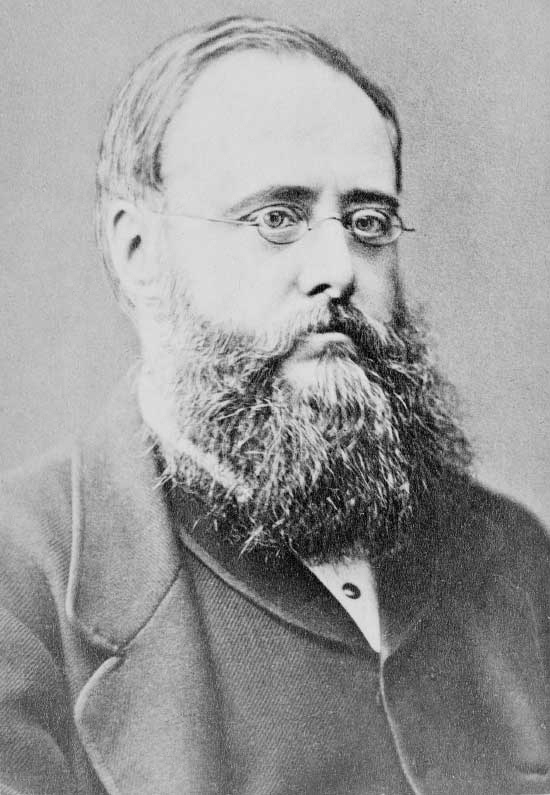
The novel is primarily about the late life of Charles Dickens, an author everybody is familiar with thanks to the casual butchering of his material by Hollywood. It is told through the eyes of Wilkie Collins, who was a close friend and secret rival of Dickens, as well as a man who looked like he had long conversations with squirrels. Basically, the plot of the novel is about Dickens pursuing a mysterious man named Drood, from who his last - and ultimately unfinished - novel, The Mystery of Edwin Drood, is derived. Dickens goes deeper into the dark underworld of London, finding himself searching in hidden cities underneath graveyards, discovering more and more of the sordid and mysterious history of this man. For the most part, that is what you're getting yourself into with this thing, so if that doesn't really interest you, be prepared for a long ride.
Collins is the narrator of this beast (it would take little to no effort to commit murder with the book), and is deliciously unreliable. The envy and contempt he holds for Dickens are apparent throughout the novel, both in flat-out statements as well as the way in which the story is told. Collins will often create small excuses within the narrative to justify his actions, put him in the right, and make him a victim of the arrogant and senseless Dickens. This heightens the reading experience and really creates an added dimension of realism that is enjoyable to read.
On the flip side of this coin, the narrative is frequently tiresome. Most of the first hundred pages or so can be considered purely biographical. While occasionally interesting, many of these moments are superfluous and wearying. It is clear that Simmons meticulously researched his subject before working on this, but not everything he learned needs to be included. Oftentimes, the story will break as Collins tells the reader - for a page or so - about some intricate working of London during the time period. This instantly snaps the reader back to reality and tugs them away from the story. I, for one, often had trouble finding motivation to get back into the story after such moments.
So it is clear that it takes way too long to set the scene, but, thankfully, once things are ready to go Simmons masterfully handles things. In the midst of these moments, there is no choice but to continue flipping the pages, as the plot builds up and both suspense and mystery are raised. Sadly, as good as these moments are, they don't justify the great lengths it often takes to reach them.
In regards to character, Simmons crafts both Collins and Dickens superbly. Their encounters drip realism, and vocal engagements between the two are often a joy to read. Other characters jump in and out of the plot, and each feels distinct and colorful. Still, the shining point is Dickens and Collins, keeping in mind that Collins is the one consciously telling the story to the reader. Take, for example, this scene, as Dickens and Collins talk about how the mysterious Drood arrived in London.
I still could make no sense of it. "But certainly, Charles," I said softly, "you're not suggesting that your bizarre-looking Mr Drood was a... what? A ghost? A ghoul of some sort? The walking dead?"Dickens laughed again, even more boyishly this time. "My dear Wilkie. Really. If you were a criminal, Wilkie - known to the port police as well as to London police - what would be the easiest and most effective way that you could get from France back to London?"It was my turn to laugh, but not with any deligh, I can assume you. "Not by coffin," I said. "All the way from France? It's... unthinkable.""Hardly, my dead boy," said Dickens. "Merely a few hours of discomfort. Hardly more uncomfortable than normal ferry and rail travel today, if one must be perfectly candid. And who bothers to inspect a coffin with a week-old corpse rotting in it?""Was his corpse a week old?" I asked.Dickens only flicked the white fingers of his glove at me, as if I had made a jest.
The plot, when you get to it, is intriguing and sometimes captivating, but definitely isn't strong enough to carry all the extra weight around it. All in all, it's a somewhat disappointing story when questions are answered, and certainly isn't reward enough for the muscle strain I experienced holding the massive book as I trudged through another description of the social workings of the time.
While Drood is not a bad novel, it isn't a great one either. It merely exists in the realm of decent novels, never to be re-read or recommended. Based on certain elements of the story, I will most likely read at least one science-fiction work from Simmons, and hope that they aren't on the same level as this is.
Grade: 6.5/10

0 comments:
Post a Comment